
Good architecture is about much more than attractive buildings. It shapes how we feel, how we work, how well we sleep and how comfortably we live. At DWR Architecture we believe that successful buildings should improve everyday life through thoughtful, practical design.
The basis of good design
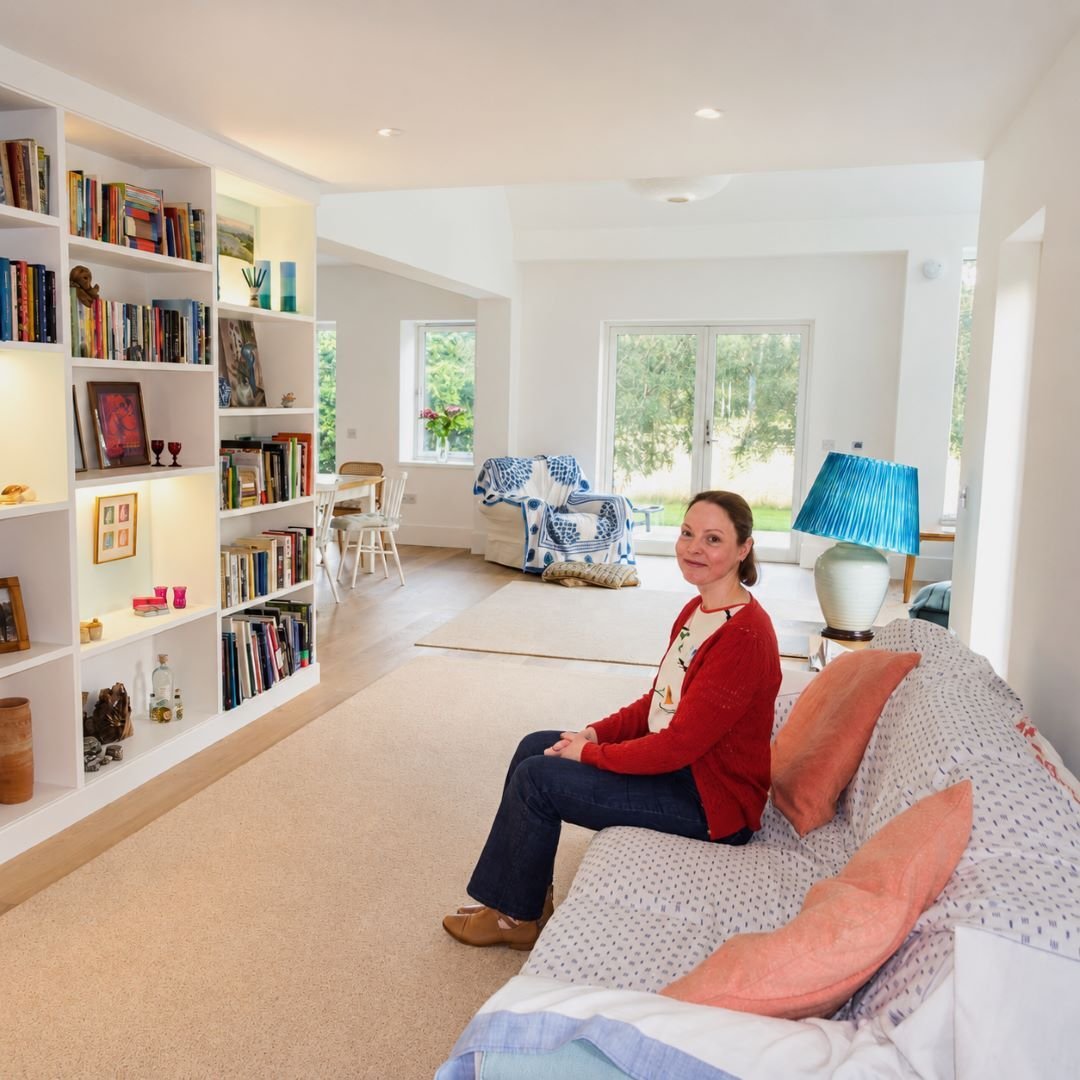
Occupant wellbeing starts with the basics: light, air, warmth and quiet.
On every project, we study how sunlight moves through the site, how rooms will be used throughout the day, where overheating could occur and how natural ventilation can be maximised before relying on mechanical systems.
Light, air and comfort
Natural daylight can lift mood and improve concentration. Our designs optimise the natural daylight in every room - a cosy snug requires different lighting to a lively family room. When the sun goes down, well selected artificial lighting helps to create a haven for relaxation, or a functional work space.
Indoor air quality is a significant problem in many buildings - from the chemicals in cleaning products to the moisture produced by cooking and bathing. We incorporate effective ventilation to help maintain fresh air, control moisture and reduce the risk of condensation and mould.
A comfortable indoor temperature, with simple and responsive controls, helps occupants feel at ease throughout the year. Buildings need to be warm in winter, but increasingly we must also avoid overheating in summer.
Good design supports wellbeing by:
- maximising daylight
- providing fresh air
- maintaining comfortable temperatures
- reducing unwanted noise
- creating practical, adaptable spaces
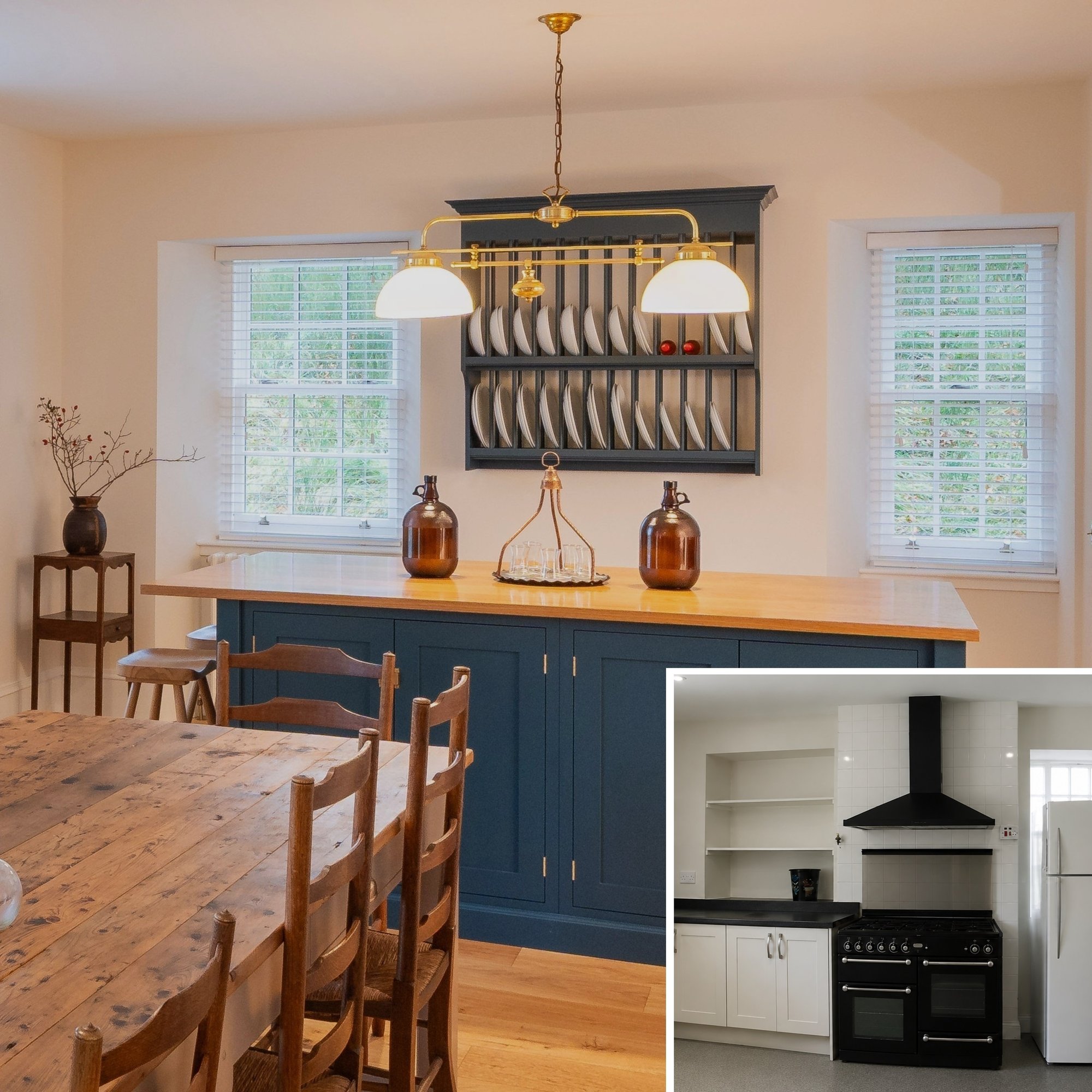
In a recent rural home refurbishment (Lodge Renovation), improving daylight, insulation and ventilation transformed rooms that had previously felt cold and gloomy into bright, comfortable living spaces used throughout the year.
Acoustic comfort is equally important, particularly in homes, workplaces, schools, community buildings and healthcare settings, where unwanted noise can increase stress and reduce privacy.
These principles are consistent with guidance published by the UK Green Building Council, which identifies daylight, ventilation, thermal comfort and acoustics as key contributors to healthier homes UK Green Building Council guidance on Health and Wellbeing in Homes
Beyond the basics
Good design also considers how people move through and use a building. A building that is legible, practical and inclusive can support independence and make daily life easier. Thoughtful room relationships, clear layouts, accessible entrances and safe circulation all contribute to a sense of calm and confidence. Well positioned storage and easy-to-use controls make daily life run more smoothly.
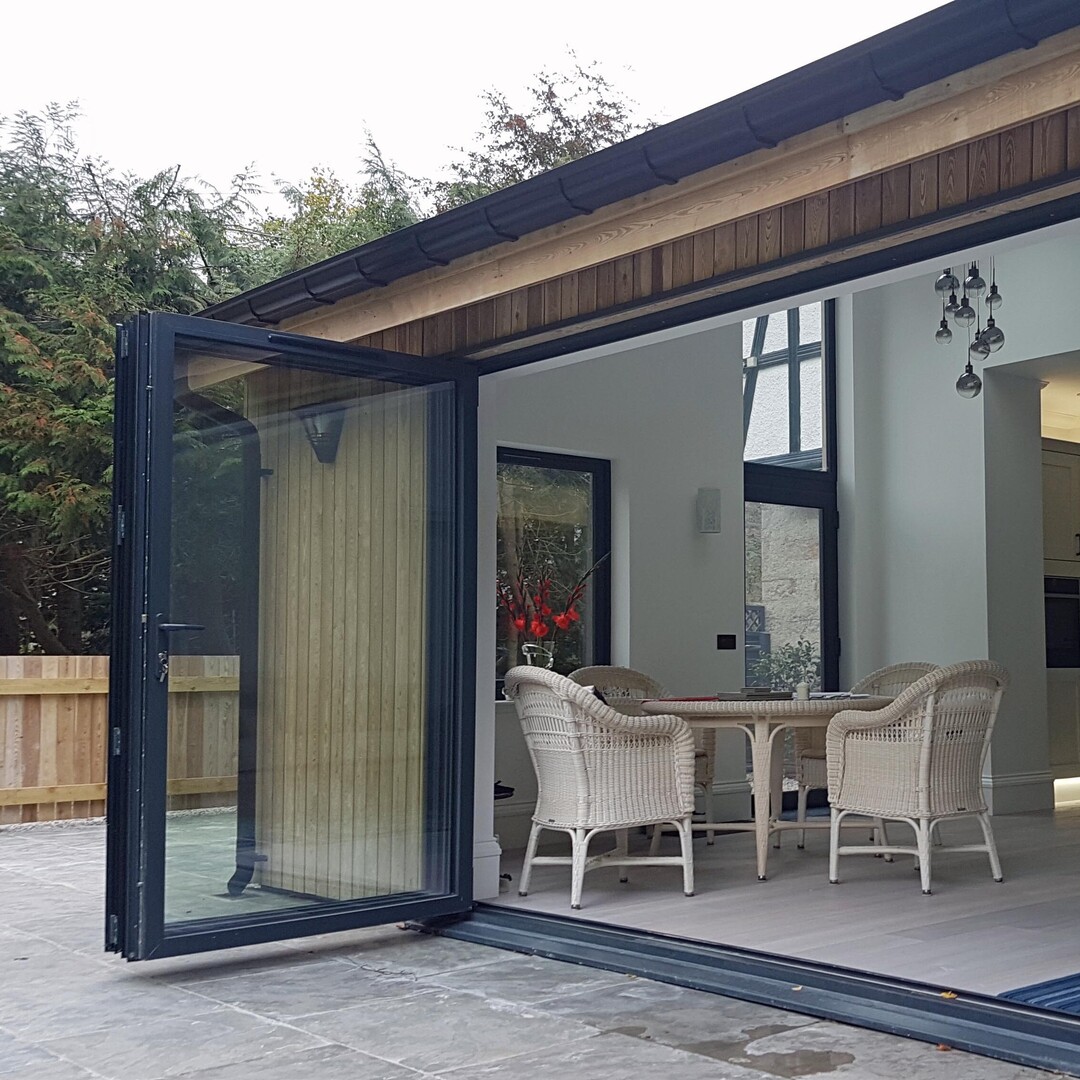
A successful building not only looks right. It feels right. It makes life easier, healthier and more enjoyable for its occupants - now and for years to come.
Connection to the outside world with views of gardens, trees, landscape or sky can make a real difference to how a space feels. Access to outdoor areas, even modest ones, can support relaxation, social contact and physical activity.
Natural materials, appropriate colours, good proportions and comfortable textures also help to create interiors that feel warm, reassuring and human.
Designing for long-term performance
Designing for wellbeing also means thinking carefully about resilience and long-term performance. We select the right combination of products and equipment to manage moisture, ventilation and temperature, to withstand changing weather patterns and be straightforward to maintain.
Why wellbeing matters financially
Good design can:
- reduce energy costs
- reduce maintenance
- improve adaptability
- increase enjoyment of the building
- improve long-term property value
The DWR Architecture approach
At DWR Architecture, designing for occupant wellbeing means asking how a building will feel, function and perform in everyday use. It means considering daylight, ventilation, warmth, accessibility, safety, materials, maintenance and future adaptability from the earliest stages of a project. These decisions can make the difference between a building that simply meets requirements and one that genuinely supports the people who live, work, visit or gather there.
We coordinate the whole design process, bringing together structural engineers, energy specialists, contractors and other consultants so that decisions support the building as a whole rather than solving one problem at the expense of creating another.
Your project
Every project is different. Whether you’re planning a new home, extending an existing property or improving an older building, an early conversation can often identify opportunities that are difficult — or expensive — to introduce later. If you’re considering a project in Aberdeenshire or the surrounding area, we’d be pleased to discuss how thoughtful design could benefit you.
Duncan Robson ARB, RIBA, RIAS is the Principal of DWR Architecture. A Chartered Architect with over 30 years' experience, he is registered in both the UK and Bermuda. Duncan specialises in designing healthy, sustainable buildings that enhance everyday life. He holds postgraduate qualifications in Ecology & Conservation and has extensive experience in leading projects from concept through to completion.